Pediatric Dental Emergencies: What Every Parent Should Know
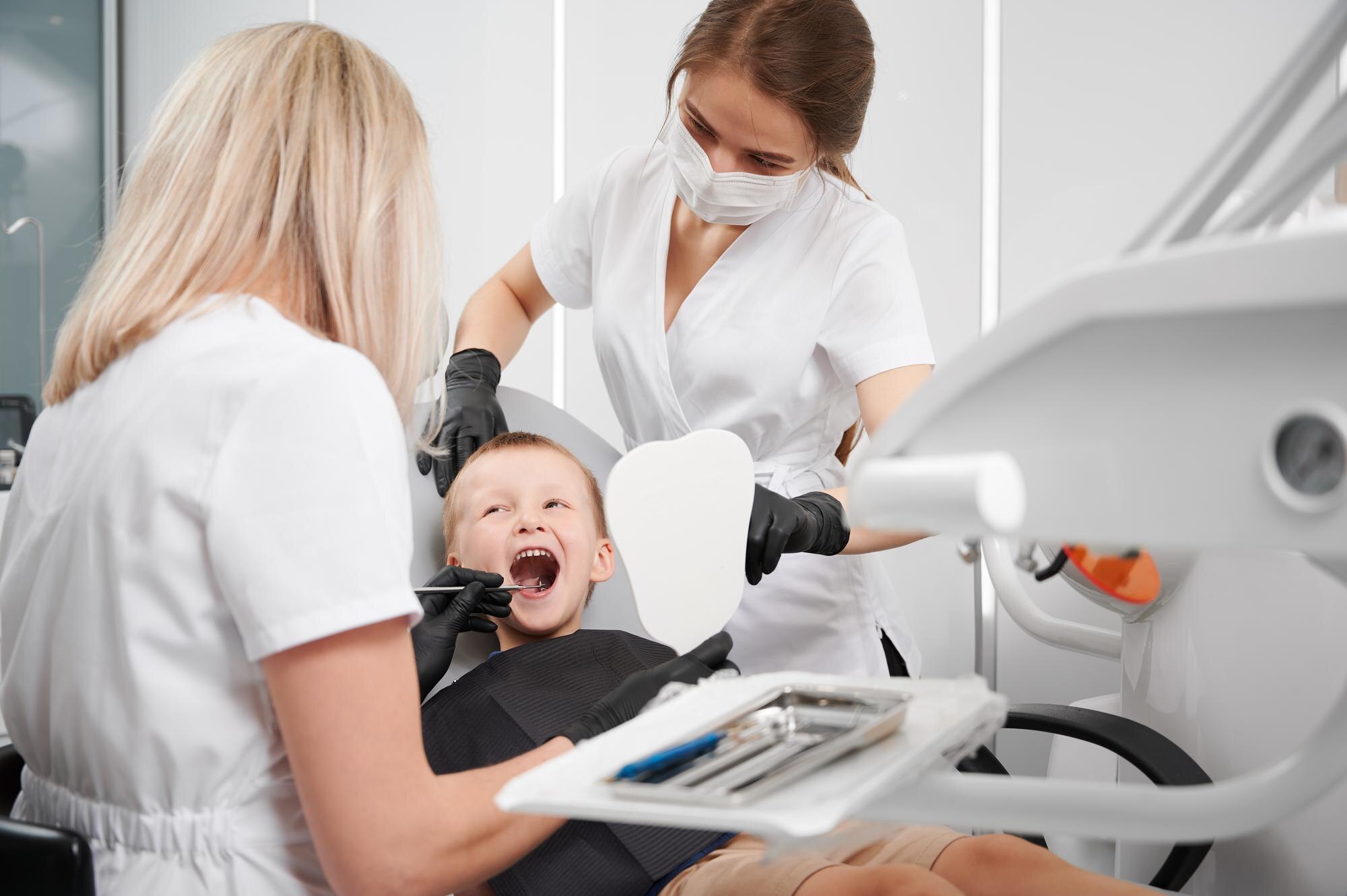
We honestly couldn't tell you how many frantic calls we've gotten where the parent blurts out "I don't know what to do, please help" before even saying hello. And that's fine, truly, because it happens more than you'd think. Nobody plans their week around a trip to the dentist, not until their kid knocks a tooth loose at recess or bites down wrong on a popcorn kernel mid-movie. Pediatric dental emergencies in Bedminster just happen. Usually at the worst possible time too, and yeah, your heart drops a little. That's kind of the whole point of this post. We wanted to put something together that parents can actually pull up on their phone in the middle of a crisis, not some clinical checklist that makes you feel more panicked than before. So here goes.
Okay, My Kid's Tooth Just Got Knocked Out. Now what?
Deep breath first. Seriously. If it's a permanent tooth, grab it by the crown, that's the white part you see when they smile, and stay away from the root. No soap, no scrubbing, nothing like that. Just a light rinse if it's dirty, that's really all it needs. And if you're able to, try popping it back into the socket, some parents can manage that part just fine. If not, milk. Cold milk, a small cup, drop the tooth in, and get moving. You want to find a kid's emergency dentistry within about half an hour to an hour for the best shot at saving it. Baby teeth work differently, though. We typically don't put those back in since it can actually damage the adult tooth waiting underneath. But please still bring your child in. A pediatric dentist in Bedminster needs to check things out and make sure there's no fracture hiding somewhere you can't see.
What to Do When Your Child Chips or Breaks a Tooth
This happens constantly with active kids, and most of the time it looks scarier than it is.
● Save any broken pieces in something clean, a little baggie works fine.
● Rinse with warm water to get rid of debris.
● Got a sharp edge poking their cheek? Sugarless gum over the spot works as a temporary fix.
Then just call our Pediatric Dental Arts kids emergency dentistry office. We know it's tempting to wait and see, but getting ahead of it keeps bacteria from creeping toward the nerve, which is really where the trouble starts.
What to Do When Your Child Has a Severe Toothache
Sometimes there's no obvious injury at all. Your kid just says their tooth hurts, badly, and won't stop crying about it. Check for food first, honestly. Sounds almost silly to bring up, but food stuck between two teeth can hurt way more than people expect, seriously. Have them brush gently around the spot, floss a little, and a warm saltwater rinse tends to help settle it too. In case the pain doesn't go away or there are swellings on your child's face, do not wait anymore. It means it's time to start looking for pediatric dental emergencies in Bedminster. Swellings, especially those like this, mean that something is happening under the skin, which requires a professional approach.
What to Do When Your Child’s Mouth Is Bleeding
Mouths bleed, a lot honestly, and even a small cut can look absolutely terrifying, so do your best to stay calm even if every instinct says otherwise.
● Firm, steady pressure using a clean cloth or gauze, hold it for 10 to 15 minutes.
● An ice pack wrapped in a towel against the outside of their cheek works nicely too.
● And a popsicle really does help, cools things down and keeps their mind off the pain a bit.
If bleeding's still going after 15 minutes of solid pressure, don't wait around, just head to the ER. And once it settles, come by anyway to your pediatric dentist in Bedminster so we can make sure nothing else shifts loose.
Simple Ways to Prevent Pediatric Dental Emergencies
Look, you can't bubble wrap your kid, we get that. But a handful of small habits really do cut down how often these things happen. If they're into sports, soccer, basketball, gymnastics, doesn't matter which, get them a custom mouthguard fitted properly. The store-bought kind is fine in a pinch, sure, but one made by a kid's dentist near you honestly protects so much better when it matters. Also, watch the hard stuff. Ice cubes, popcorn kernels, hard candy, that whole category basically. And it helps to teach them early on that teeth aren't tools, not for tearing open bags, not for cutting tape, none of it.
Here for Your Child’s Dental Emergencies
At Pediatric Dental Arts, Dr. Tannaz Malekian and the rest of us try, genuinely, to make these scary moments a bit less scary. Our patients hail from communities such as Bedminster, Far Hills, Bridgewater, and Peapack, and as the dentists whom they turn to when they are worried about their kids' oral problems, we take this seriously. In any case, no matter if it's something as minor as a small crack or something more serious that you are really concerned about, we encourage you to get in touch with us. And, in case you are looking for a kids dentist near you that is truly aware of how stressful this can be, feel free to call us at Pediatric Dental Arts at any time.